Detection before treatment. Every time. And verification before documentation. Every time. It starts with the dog. It lives with the handler. Every time.
Long before rodenticides, snap traps or detection dogs, rat catchers had a partner that could go where no person or terrier could fit: the ferret. Here is how a small, curious mustelid became one of the oldest tools in rodent control, and what its story says about how we work today.
What a ferret actually is
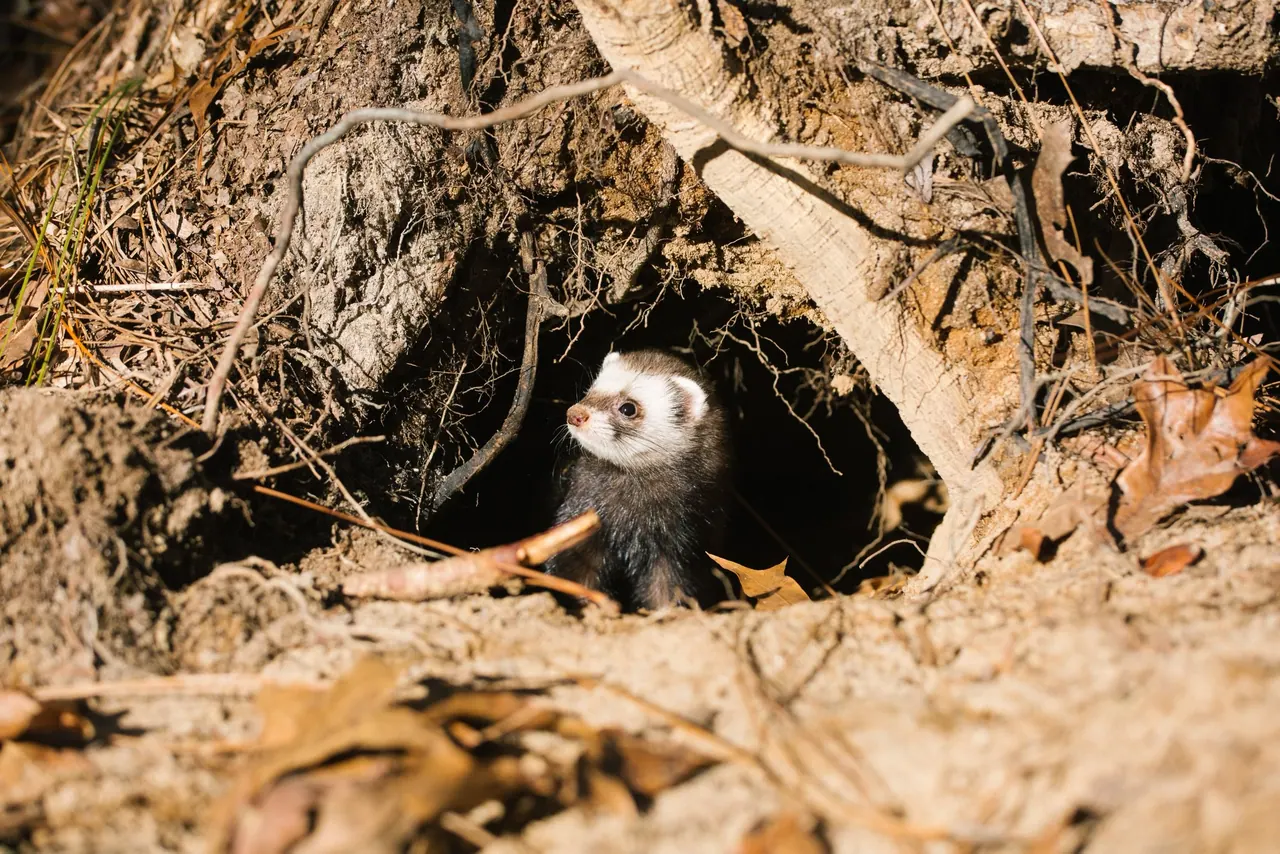
The domestic ferret (Mustela furo) is a domesticated form of the European polecat. The two can still interbreed. Ferrets are generally thought to have been domesticated around 2,000 years ago, and researchers agree they were bred mainly for one job: hunting rabbits and rats.
A ferret is not a wild animal in South Carolina, and it is not a pest. A pet ferret that escapes rarely survives on its own for long. It is also a different animal from the black-footed ferret, an endangered species native to the western prairies.
Ferrets in the ancient world
The Greek geographer Strabo described a plague of rabbits in the Balearic Islands and how islanders dealt with it: small, muzzled animals were sent down the burrows to drive the rabbits out, where they were caught as they bolted. Many historians read that as one of the earliest accounts of ferreting. The Roman writer Pliny the Elder also wrote about animals used to hunt rabbits.
From rabbit warrens to rat holes
By the Middle Ages ferreting was established in England. Ferrets appear in court records from 1223, and a ferreter was part of the Royal Household by 1281. Farmers kept ferrets in barns and farmyards to drive out the rats and mice that infested grain stacks.
The method was simple and has barely changed. A ferret goes into the burrow and the rats bolt. Waiting outside are terriers, nets or people to catch them. Ratters favored small ferrets that could fit rat runs, and a good team of ferrets and dogs could clear a barn in an afternoon.
Ferrets and ratting in America
The practice crossed the Atlantic. In 1890 Adolph Isaacsen published All About Ferrets and Rats, a full guide to the ferret as a rat exterminator, alongside traps, poisons, dogs and cats. Newspapers of the era describe professional rat catchers in cities like New York working with ferrets, terriers and traps, all of them hunting by scent.
What ferrets teach modern rodent control
The old ratters understood three things that still hold true:
- Find the runs first. A ferret only works if it goes into an active burrow. Knowing where rats live and travel is the whole job.
- Use the animal’s nose. Ferrets and terriers both hunt by scent, which finds rodents people never see.
- Work as a team. One animal flushes, another catches. No single tool does it all.
How we carry that tradition forward
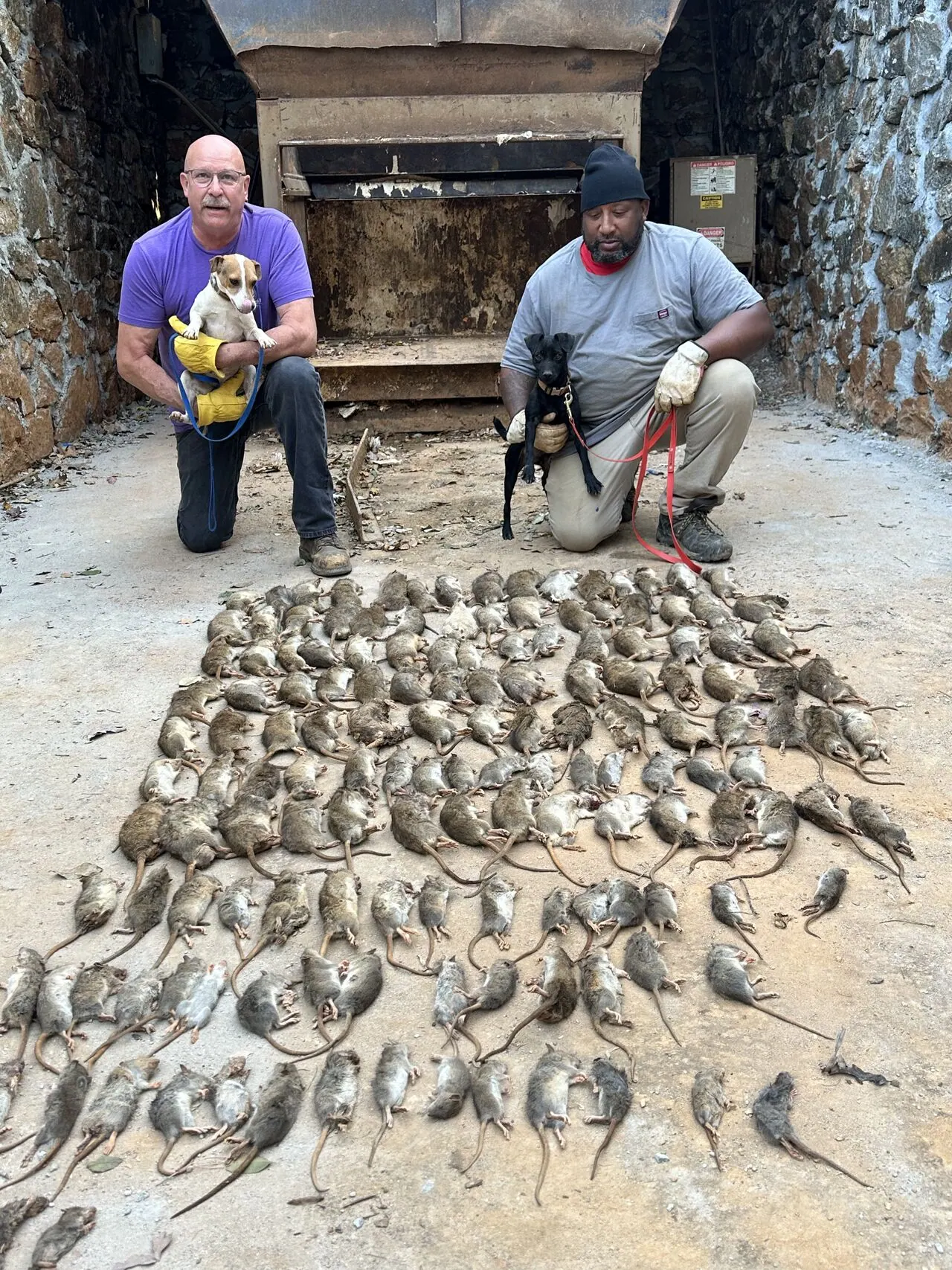
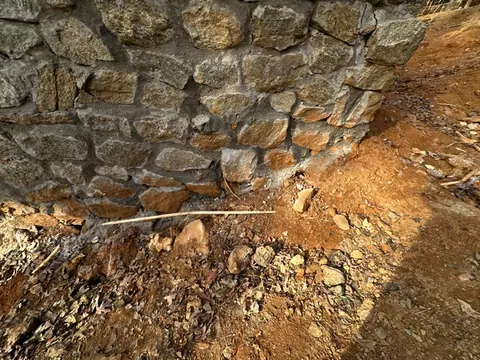
Modern ratting is led by dogs. Our rodent program uses two kinds: detection dogs that alert on all rodent activity, old and new, to map runs and entry points, and abatement dogs that alert only on live animals, so trapping goes exactly where it will work. Then we seal the entry points so new rodents can’t follow the same paths in.
It is the same idea the ferreters had 2,000 years ago: find them by scent, work the runs, and don’t guess.
Rats or mice in a barn, warehouse or home? Contact Coastal K9 and Pest Solutions at 803-226-3155 or request an inspection.
Sources
- Wikipedia — "Ferret": domestication from the European polecat, bred for rabbiting
- Gustafson et al., "Genetic diversity in domestic ferrets," Evolutionary Applications (2018), via PubMed Central: domesticated primarily for hunting rabbits and rats
- Thomson, A.P.D., "A history of the ferret," Journal of the History of Medicine (1951): Strabo and Pliny accounts
- Country Life — ferrets in English court rolls (1223) and the Royal Household (1281)
- The Domestic Encyclopaedia — ferrets kept in farmyards and barns against rats and mice
- Isaacsen, A., All About Ferrets and Rats (1890), Project Gutenberg
- Encyclopedia Dubuque — "Ferrets": city rat catchers using ferrets, terriers and traps
- Live Science — "Facts About Ferrets": escaped pet ferrets rarely survive; black-footed ferret distinction