
K-9 Bed Bug & Rodent Detection for Multifamily & Property Management
Bed bugs and rodents spread unit to unit — and residents talk. Our detection dogs pinpoint exactly which units are affected so you treat precisely, document everything, and protect the whole community.
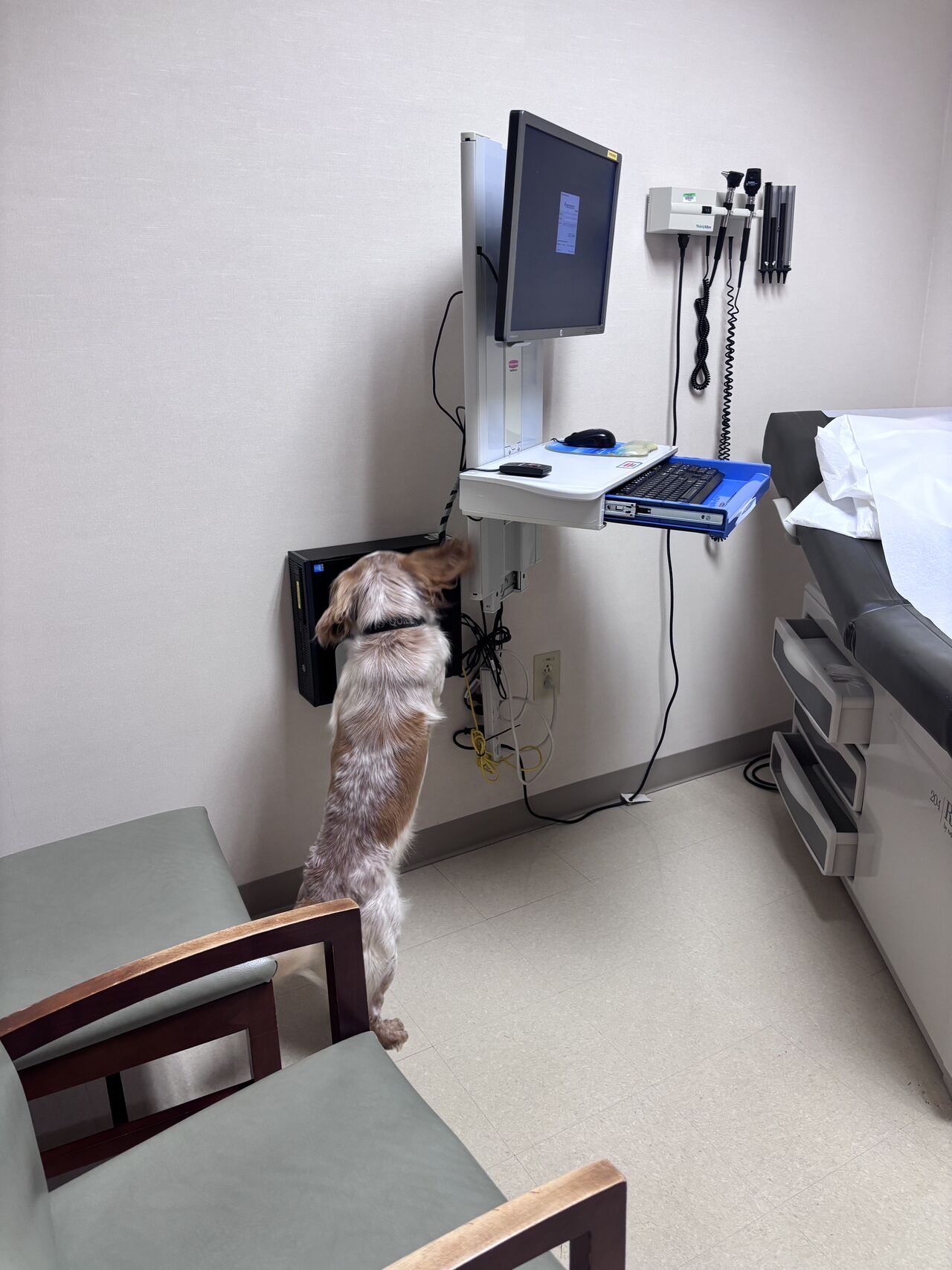
For apartment communities, condos, student housing, and rental portfolios, a bed bug or rodent report in a single unit is really a warning about the whole building. Pests do not respect lease lines — they move through shared walls, plumbing chases, and outlets. Coastal K-9 & Pest Solutions helps property managers across the CSRA and Midlands get ahead of that spread with canine detection that finds exactly which units are affected.
The result is a program that saves money and protects you legally: you treat only the units that actually have activity, you resolve issues before they become a building-wide crisis or a code complaint, and you keep a defensible, unit-by-unit record for lease files, turnover charges, and resident disputes.
One report is rarely just one unit
Bed bugs and rodents travel. Bed bugs move between units through wall voids, baseboards, and outlet gaps, and they hitch rides on belongings and even maintenance carts. Rodents follow plumbing chases and utility runs from one apartment to the next. Treating only the reported unit almost guarantees a callback, because the source is still active next door.
A detection dog changes the math. It can sweep the reported unit and its neighbors — above, below, and on either side — and confirm where activity actually exists. That mapping means you solve the problem once instead of chasing it for months, and you avoid the expense and resident frustration of treating an entire building blind.
The pests we detect in multifamily housing
Multifamily properties face a specific set of pests that spread between units and generate resident complaints. Our programs target the ones that matter most:
Bed bugs
The most disruptive multifamily pest. We detect live bugs and viable eggs by scent in the reported unit and every adjacent unit, mapping the true extent before you treat.
Rodents (rats & mice)
Travel through shared walls, chases, and common areas. We locate active harborage and pair detection with exclusion to seal entry points for good.
German cockroaches
Spread rapidly through kitchens and shared plumbing between units. We identify harborage so treatment is targeted rather than building-wide.
Occasional invaders
Ants, spiders, and other pests that drive resident complaints in ground-floor and exterior units, handled as part of a full-property program.
The standards and regulations we build your program around
A multifamily pest program has to satisfy housing law, ownership, and residents at the same time. Ours is built around accuracy, consistency, and documentation:
- Warranty of habitability & housing codes — Landlords are generally responsible for maintaining habitable, pest-free units. Documented detection and prompt treatment show you met that duty.
- Fair-housing & consistent response — A defined, documented program means every resident and every unit is handled the same way — important for fair and consistent treatment across a community.
- HUD, NSPIRE & REAC inspections — For subsidized and HUD-assisted properties, pest evidence costs inspection points. Proactive detection and records help you pass and stay compliant.
- Lease & turnover documentation — Unit-by-unit records support turnover charges, security-deposit decisions, and resident disputes with defensible, professional evidence.
How our multifamily communities K-9 program works
Every multifamily engagement follows a clear, documented workflow so you always know the true scope:
Assess
We review the complaint, the unit stack, and any history to plan which units to screen — the reported unit plus its neighbors.
Detect
A certified detection dog screens the reported and adjacent units by scent, clearing each in minutes with minimal resident disruption.
Map the scope
The handler confirms live activity and maps exactly which units are affected — and, just as importantly, which are not.
Targeted treatment
Only confirmed units are treated, and rodent findings are paired with exclusion to seal shared-wall and chase entry points.
Verify
A follow-up canine sweep confirms a unit is clear before you close the ticket or turn it for the next resident.
Document & schedule
You receive a unit-by-unit record for your files, and we can set recurring turnover and common-area sweeps to keep the community ahead of problems.
What our multifamily communities program includes
- Complaint-driven inspections of the reported unit and all adjacent units.
- Move-out & turnover sweeps to confirm a unit is clear before the next lease.
- Rodent detection & exclusion for shared walls, utility chases, and common areas.
- Building-wide surveys when you need to establish the true scope.
- Cockroach & common-invader service for kitchens and ground-floor units.
- Post-treatment verification to close out a unit with confidence.
- Resident-friendly scheduling and notice support to minimize disruption.
- Unit-by-unit documentation for lease files, disputes, and ownership reporting.
Why canine detection outperforms conventional pest control for multifamily communities
Treating a multifamily pest problem the old way is expensive and rarely works the first time. Here is the difference detection makes:
| Conventional exterminator | Coastal K-9 detection | |
|---|---|---|
| Scope | Often treats whole building blind | Confirms exactly which units are affected |
| Callbacks | Common, because the source is missed | Rare, because the source is mapped and treated |
| Cost | Pay to treat every unit | Pay to treat only affected units |
| Rodent entry points | Frequently missed | Located and sealed with exclusion |
| Resident disruption | Repeated whole-building treatments | Quiet, targeted, unit-by-unit |
| Documentation | Minimal | Unit-by-unit record for disputes |
Documentation that protects you
Every inspection produces a unit-by-unit record: what was screened, what was found, what was treated, and what was verified clear. In multifamily, that documentation is worth as much as the treatment itself.
It protects you in tenant disputes and turnover-charge questions, supports security-deposit decisions, satisfies ownership and HUD reporting, and demonstrates a consistent, proactive program — the professional paper trail a reactive spray service cannot provide.
Signs a unit — or a building — needs a sweep
Screen early. A single detection sweep is far cheaper than a building-wide infestation. Watch for:
- Resident bite reports — itchy welts in lines or clusters appearing overnight.
- Blood or rust spots and shed skins in mattress seams, headboards, and baseboards.
- Droppings or gnaw marks in units, cabinets, or common areas.
- Scratching or scurrying sounds in shared walls or ceilings at night.
- Repeat complaints in the same stack of stacked or adjacent units.
- Turnover — every move-out is a chance to catch a problem before the next resident inherits it.
Serving multifamily communities across the CSRA & Midlands
Coastal K-9 serves apartment communities, condominiums, HOAs, student and workforce housing, and single-family rental portfolios across the CSRA and Midlands — Aiken, Augusta, North Augusta, Evans, Martinez, Grovetown, Columbia, Lexington, and Irmo, along the I-20 and I-26 corridors.
As a local, family-owned company, we offer same-week response for active resident complaints and can build a recurring turnover-and-common-area program sized to your portfolio, whether you manage one community or many.
Why CSRA property managers choose Coastal K-9
Property managers across the region choose Coastal K-9 because unit-by-unit detection is simply better business: you treat only what is affected, resolve problems before they escalate to a code complaint or a review, and hold a defensible record for every unit. Our founder is FEMA-trained and NESDCA-certified, and every inspection is detection-first.
We are local and responsive — not a national call center — and we understand that in multifamily, a fast, quiet, well-documented response protects both your residents and your bottom line.
Frequently asked questions
A resident reported bed bugs — do you have to inspect the whole building?
Not necessarily. We inspect the reported unit and its immediate neighbors first, since that is where bed bugs spread. That confirms the true scope so you treat only what is affected instead of the entire building.
Can you inspect units between tenants?
Yes. Move-out and turnover sweeps are one of the most valuable uses of detection — confirming a unit is clear before the next resident moves in prevents inherited problems and disputes.
Do you handle rodents too, not just bed bugs?
Yes. Multifamily buildings are prone to rodents traveling through shared walls and utility chases. We detect active harborage and pair it with exclusion to seal entry points for good.
Will inspections disturb my residents?
Minimal disruption. A detection dog works a unit in minutes, the process is chemical-free, and we schedule around residents with proper notice.
Do you provide documentation for disputes and turnover charges?
Yes. You receive a unit-by-unit record of every inspection, which is invaluable for lease files, turnover charges, security-deposit decisions, and resident disputes.
How much does multifamily pest detection cost?
It depends on the number of units and how often you schedule, but detection-first is almost always cheaper than treating a whole building blind and dealing with callbacks. Call 803-226-3155 for a portfolio quote.
Who is responsible for bed bugs, the landlord or the tenant?
Responsibility varies by lease and local law, but landlords generally must maintain habitable units. A documented detection-and-treatment record protects you either way by showing a prompt, professional response.
How accurate are the detection dogs?
In controlled studies, trained bed bug dogs have detected live bugs with accuracy as high as 95% — far better than a visual-only inspection across many units.
Can bed bugs spread through walls between apartments?
Yes. They travel through wall voids, outlet gaps, and shared baseboards, which is exactly why we always screen the units adjacent to any confirmed report.
Do you treat, or only detect?
Both. We detect to pinpoint the problem, then provide targeted treatment and, for rodents, exclusion — and we verify the unit is clear afterward.
How quickly can you respond to a complaint?
We offer same-week response across the CSRA and prioritize active resident complaints so a unit can be confirmed or cleared quickly.
What areas do you serve?
Apartment communities and rental portfolios across Aiken, Augusta, North Augusta, Columbia, Lexington, Evans, Martinez, and the greater CSRA and Midlands.
Related commercial programs
Solve it by the unit, not the building.
Schedule unit-by-unit K-9 detection for your community across the CSRA and Midlands.