
K-9 Bed Bug & Rodent Detection for Schools & Student Housing
Bed bugs travel home in a backpack, and rodents find their way into cafeterias and dorms. Our detection dogs find both — discreetly, off-hours, and completely chemical-free.
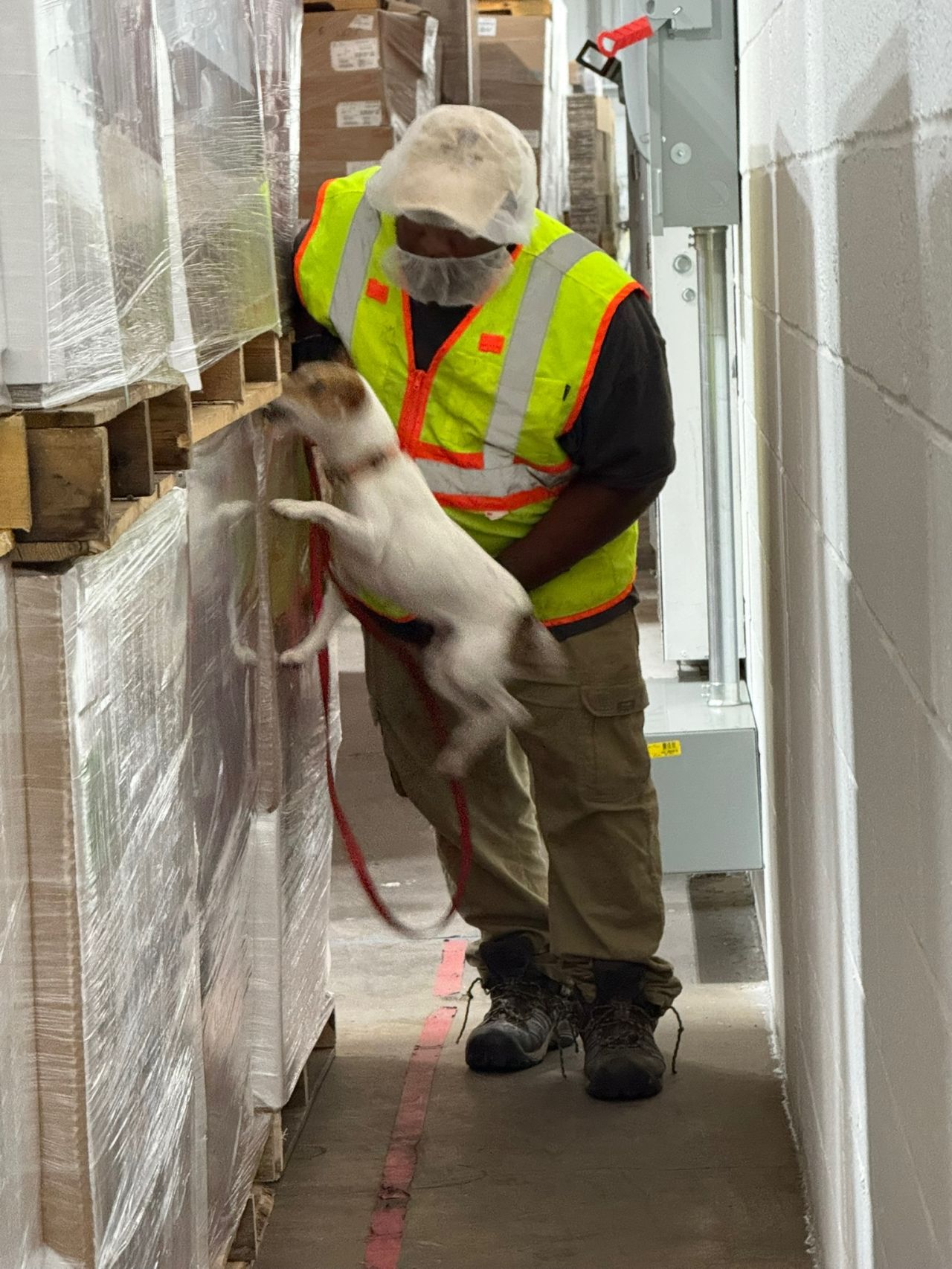
Schools, colleges, and student housing face a pest challenge unlike any other environment: bed bugs ride in on backpacks, coats, and belongings, and rodents are drawn to cafeterias, dorms, and vending areas. With children and students present, routine spraying is exactly the wrong approach. Coastal K-9 & Pest Solutions helps campuses across the CSRA and Midlands stay ahead with discreet, chemical-free canine detection scheduled around students.
Detection-first is Integrated Pest Management at its best — inspect precisely, then treat only what is confirmed, with the least-toxic method possible. A trained dog clears a classroom, dorm room, or cafeteria in minutes and pinpoints exactly where activity is, so you contain a problem quietly and confidently without disrupting learning or exposing students to unnecessary chemicals.
Bed bugs travel home in a backpack
In a school or dorm, one introduced bed bug can spread through classrooms, lockers, buses, and residence halls before anyone sees it. Students carry them in from home and back again, and dorm turnover moves them between residents. Rodents, meanwhile, follow the food into cafeterias, vending areas, and storage. Both problems escalate quietly until a visible sighting causes alarm among families.
A detection dog gets ahead of it without disruption. It screens a classroom, dorm room, or cafeteria in minutes, chemical-free, and confirms exactly where activity exists — so you can contain and communicate confidently, treat only what is affected, and keep the focus where it belongs: on students.
The pests we detect in schools and student housing
Education environments face a specific pest profile driven by people, food, and constant turnover. Our programs target the ones that matter most:
Bed bugs
Introduced on backpacks, clothing, and belongings and spread through classrooms, lockers, and dorms. We detect live bugs and eggs by scent before they spread.
Rodents (rats & mice)
Drawn to cafeterias, kitchens, vending, and storage. We locate active harborage and seal entry points to protect food-service areas.
Cockroaches
Thrive in cafeteria and kitchen equipment voids. We pinpoint harborage so treatment is targeted, not sprayed across student areas.
Occasional invaders
Ants and other pests common in ground-floor classrooms and residence halls, handled as part of a campus-wide IPM program.
The standards and expectations we build your program around
A campus pest program has to protect students, satisfy administrators, and follow best-practice pest management. Ours is built for safety, discretion, and documentation:
- School IPM best practices — Integrated Pest Management — recommended, and in some states required, for schools — prioritizes inspection and least-toxic methods over routine spraying. Detection-first is IPM at its core.
- Student safety & notification — Schools must protect children and often notify families before pesticide use. Chemical-free detection minimizes both the risk and the need for broad treatment.
- Off-hours & academic calendar — We schedule around classes, meals, and the academic calendar so students are never present during inspections.
- Documentation for administrators — Clear records support communication with administrators, families, and your facilities and health teams.
How our schools and student housing K-9 program works
Every campus engagement follows a discreet, documented workflow scheduled around students:
Assess
We plan with your administration and facilities team, identifying priority areas — classrooms, dorms, cafeterias, lockers — and the right off-hours windows.
Detect
A certified detection dog screens the target areas by scent, chemical-free, clearing each room in minutes.
Confirm & map
The handler confirms live activity, maps exact locations, and checks adjacent rooms to contain any spread.
Targeted treatment
Only confirmed areas are treated, using the least-toxic methods appropriate for a school under an IPM approach.
Verify
A follow-up sweep confirms an area is clear before students return to it.
Document
You receive records for administrators and families, plus optional recurring and turnover sweeps.
What our schools and student housing program includes
- Classroom, common-area & locker detection for bed bugs.
- Dorm & residence-hall room sweeps, including turnover inspections.
- Cafeteria & kitchen rodent detection with exclusion.
- Rapid response to a suspected case, off-hours.
- Cockroach & common-invader service for dining and ground-floor areas.
- Post-treatment verification before students return.
- Chemical-free, IPM-aligned methods throughout.
- Documentation for administrators, families, and facilities teams.
Why canine detection outperforms conventional pest control for schools and student housing
Routine spraying around children is exactly what modern IPM tries to avoid. Here is why campuses choose detection:
| Routine spraying | Coastal K-9 detection | |
|---|---|---|
| Approach | Broad, scheduled application | Inspect first, treat only what is found |
| Chemical exposure | Higher, in student areas | Chemical-free detection; minimal treatment |
| Accuracy | Misses hidden activity | Up to 95% in controlled studies |
| IPM alignment | Weak | Detection-first is core IPM |
| Disruption | During or near school hours | Off-hours, students never present |
| Documentation | Minimal | Records for administrators and families |
Documentation that protects you
You receive documentation of every inspection and result — supporting communication with administrators, families, and your facilities and health teams, and demonstrating a proactive, chemical-free, IPM-aligned program.
For a school, that record matters: it shows families and boards that you responded promptly and responsibly, and it supports the notification and least-toxic-methods expectations that govern pest management on campus.
Signs a campus should schedule a sweep
Screen early — a quiet inspection beats a visible sighting that alarms families. Watch for:
- Student bite reports — itchy welts in lines or clusters, often noticed at home.
- Blood or rust spots and shed skins on dorm bedding, seating, or upholstery.
- Droppings or gnaw marks in cafeterias, kitchens, vending, or storage.
- A pest sighting in a classroom, dorm, or dining area.
- Dorm move-in or move-out — turnover is a prime time to catch a problem.
- A repeat concern in the same classroom, hall, or stack of rooms.
Serving schools and student housing across the CSRA & Midlands
Coastal K-9 serves K-12 schools, private schools, colleges, universities, and student housing across the CSRA and Midlands, including the Aiken and USC Aiken areas, the Augusta and Augusta University areas, North Augusta, Evans, Martinez, and the Columbia and Lexington campuses along the I-20 and I-26 corridors.
As a local, family-owned company we schedule around your academic calendar, prioritize rapid off-hours response for active concerns, and can build recurring turnover and common-area sweeps sized to your campus.
Why CSRA schools and campuses choose Coastal K-9
Schools and campuses across the region choose Coastal K-9 because detection is discreet, chemical-free, and precise — ideal around children and students, and squarely aligned with the IPM approach modern campuses are expected to follow.
Our founder is FEMA-trained and NESDCA-certified, we schedule around the school day, and we respond quickly and quietly — because on a campus, a calm, well-documented response protects both students and confidence.
Frequently asked questions
Is the detection process safe around children?
Yes. Canine detection is completely chemical-free — the dog simply locates activity by scent — and we schedule off-hours so students are not present during inspections.
Does this fit our IPM requirements?
Yes. Detection-first is the heart of Integrated Pest Management: inspect precisely, then treat only what is confirmed with least-toxic methods. It aligns directly with school IPM expectations.
Can you inspect dorms between semesters?
Yes. Turnover inspections between semesters are one of the best ways to keep bed bugs from being reintroduced or passed between residents.
Do you handle rodents in cafeterias?
Yes. Cafeterias, kitchens, and vending areas attract rodents; we detect activity and pair it with exclusion to seal entry points.
How quickly can you respond to a suspected case?
We prioritize rapid, off-hours response for schools, inspecting the suspect area and adjacent spaces so you can contain and communicate confidently.
Will inspections disrupt the school day?
No. We schedule around classes, meals, and the academic calendar, and a detection dog works a room in minutes with no chemicals and no disruption.
How much does school pest detection cost?
It depends on campus size and schedule, but chemical-free detection-first is cost-effective and avoids the disruption and family concern of routine spraying. Call 803-226-3155 for a quote.
How accurate are bed bug detection dogs?
In controlled studies, trained detection dogs have located live bed bugs with accuracy as high as 95%, far higher than a visual-only inspection.
Do you provide documentation for administrators and families?
Yes. You receive records of every inspection and result that support communication with administrators, families, and facilities and health teams.
Can bed bugs really spread through a school?
Yes. They travel on backpacks, clothing, and belongings between home, classrooms, lockers, buses, and dorms, which is why early detection and adjacent-area checks matter.
Do you treat, or only detect?
Both. We detect to pinpoint the problem, then provide targeted, least-toxic treatment and, for rodents, exclusion — and we verify the area is clear before students return.
What areas do you serve?
Schools, colleges, and student housing across Aiken, Augusta, North Augusta, Columbia, Lexington, Evans, Martinez, and the greater CSRA and Midlands.
Related commercial programs
Keep your campus ahead of the problem.
Schedule discreet, chemical-free K-9 detection for your school across the CSRA and Midlands.